
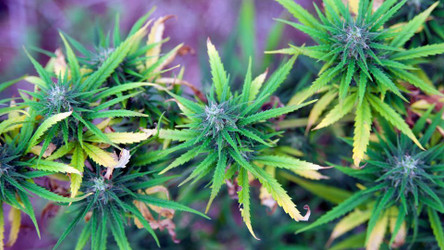
Cannabinoid
Cannabinoids vs CBD: Key Differences Explained
Cannabinoids are a large group of natural compounds found in the cannabis plant. Among them, CBD (cannabidiol) is one of the most popular and widely studied. While both interact with the body’s endocannabinoid system, they have very different effects.
What Are Cannabinoids?
Cannabinoids are chemical compounds that help regulate functions like mood, pain, appetite, and sleep. The cannabis plant produces over 100 known cannabinoids, including THC, CBG, and CBN. Some, like THC, are psychoactive and create the “high” associated with marijuana. Others, like CBD, are non-psychoactive.
What Is CBD?
CBD (cannabidiol) is a specific cannabinoid that does not cause a high. Instead, it’s prized for its therapeutic benefits—including relief from pain, anxiety, and inflammation. CBD works differently than THC, delivering wellness benefits without intoxication.
Quick Comparison: Cannabinoids vs CBD
| Feature | Cannabinoid (General) | CBD (Cannabidiol) |
|---|---|---|
| Definition | Group of compounds in cannabis | Specific, non-psychoactive cannabinoid |
| Examples | THC, CBN, CBG, etc. | One of 100+ cannabinoids |
| Psychoactive Effects | Some are psychoactive (e.g., THC) | Non-psychoactive |
| Interaction | Regulates mood, pain, sleep via ECS | Non-intoxicating, therapeutic |
| Main Function | Balance and regulate bodily functions | Promote calm, pain relief, wellness |
There are no products listed under this category.