
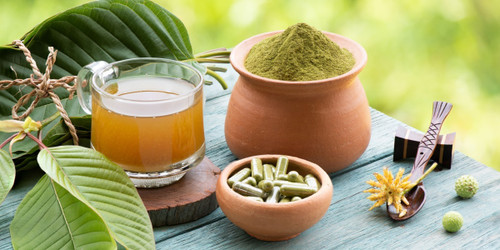
Kava Kanna
Kava vs Kanna: Differences, Effects, Benefits, and Risks
Kava and kanna are two distinct psychoactive botanicals with very different origins, active compounds, and effects. Kava is a traditional root from the Pacific Islands known for its calming, sedative properties, while kanna is a South African succulent prized for its mood-enhancing and empathogenic effects. Although some people combine kava and kanna for “clear-headed relaxation,” the mix carries important safety risks.
What is Kava? The Relaxing Root
Kava (Piper methysticum) is a root traditionally used in South Pacific ceremonies for relaxation and stress relief. Its active compounds, kavalactones, work on the brain’s GABA receptors, which reduce nerve activity and create a calming effect similar to alcohol.
Effects of Kava
Reduces stress and anxiety
Promotes well-being and contentment
Induces sedation, muscle relaxation, and sleepiness
Risks of Kava
Liver damage: Long-term or poor-quality kava use has been linked to hepatotoxicity.
Impaired coordination: High doses can slow reaction time and motor skills.
Other side effects: Dizziness, nausea, drowsiness, and a skin condition called “kava dermopathy.”
Market withdrawal: Several European countries banned kava in 2002 due to liver safety concerns.
What is Kanna? The Mood-Enhancing Empathogen
Kanna (Sceletium tortuosum) is a succulent plant from South Africa historically used by indigenous people for emotional wellness. Its main alkaloid, mesembrine, acts as a natural SSRI (selective serotonin reuptake inhibitor), boosting serotonin levels and enhancing mood.
Effects of Kanna
Elevates mood and reduces anxiety
Increases focus and mental clarity
Encourages social connection and empathy
May provide mild pain relief and sleep support
Risks of Kanna
Mild side effects such as headache, nausea, or drowsiness
Serotonin syndrome risk when combined with SSRIs, MAOIs, MDMA, or other serotonergic drugs
Limited research on long-term effects
Kava-Kanna Combination: Synergy and Risks
When combined, kava’s relaxing sedation and kanna’s uplifting clarity can create a unique balance known as “clear-headed relaxation.” This combination may enhance social ease, focus, and relaxation simultaneously.
However, mixing these botanicals increases the risk of side effects. Kava intensifies drowsiness, while kanna raises serotonin levels—making interactions with other medications or substances potentially dangerous.
Safety Considerations
Consult a doctor before using kava or kanna, especially if taking prescription medication.
Avoid combining kanna with SSRIs, MAOIs, or MDMA due to serotonin syndrome risks.
Do not mix with alcohol or sedatives as both plants can amplify drowsiness.
Choose standardized, high-quality extracts to reduce contamination and dosing issues.
Start with low doses to gauge individual tolerance.
Final Thoughts
Kava and kanna are powerful botanicals with unique effects on the mind and body. Kava promotes calm and sedation, while kanna enhances mood and empathy. Though some users experiment with combining them for a synergistic effect, this practice requires caution due to overlapping risks. Anyone considering kava, kanna, or their combination should prioritize safety, consult a healthcare professional, and use only high-quality products.
- Product
- Qty in Cart
- Quantity
- Price
- Subtotal
-

CHILL TREE KAVA KANNA
CHILL TREE
$41.12Chill Tree – Alabama Compliant Kanna + Kava Organic Botanical | 12ct Display | 2oz Bottles | 12 Boxes per Case Discover the premium Chill Tree Organic Botanical line, crafted with a perfect balance of Kanna and Kava for a naturally uplifting...$41.12